What is an ARG? And what to read if you love them
An ARG, or alternate reality game, is a story that doesn't announce itself as one.
Instead of a book or a film, it arrives as a strange website, a voicemail, an email that seems to have been sent to the wrong person. Players find the pieces, share them, argue about them and slowly work out what's going on. The fun is in the digging.
What makes ARGs so gripping
The story looks like real life. The clues are things that could exist: a company's careers page, a police appeal, a forum post.
Nobody tells you the answer. You have to put it together yourself, usually with other people.
The world feels bigger than what you've seen. There's always the sense that there's another document somewhere you haven't found yet.
The catch
ARGs can be hard to get into. They run for a few weeks, they're built around live puzzles, and if you arrive late you're reading other people's notes about it rather than the thing itself.
The same feeling, any time you like
Disclosures on Fictra borrow the best part of ARGs, which is reading the evidence and working it out yourself, without the treasure hunt.
Each world is told only through found documents: witness statements, emails, text messages, call transcripts, internal memos. There's no narrator. Everything is laid out in order, so you can start whenever you like and read at your own pace. The worlds keep growing, with new strands every Friday, and strands quietly connect, so the bigger picture only appears once you've read enough of them. Stories told like this have a long history, which our guide to epistolary novels covers.
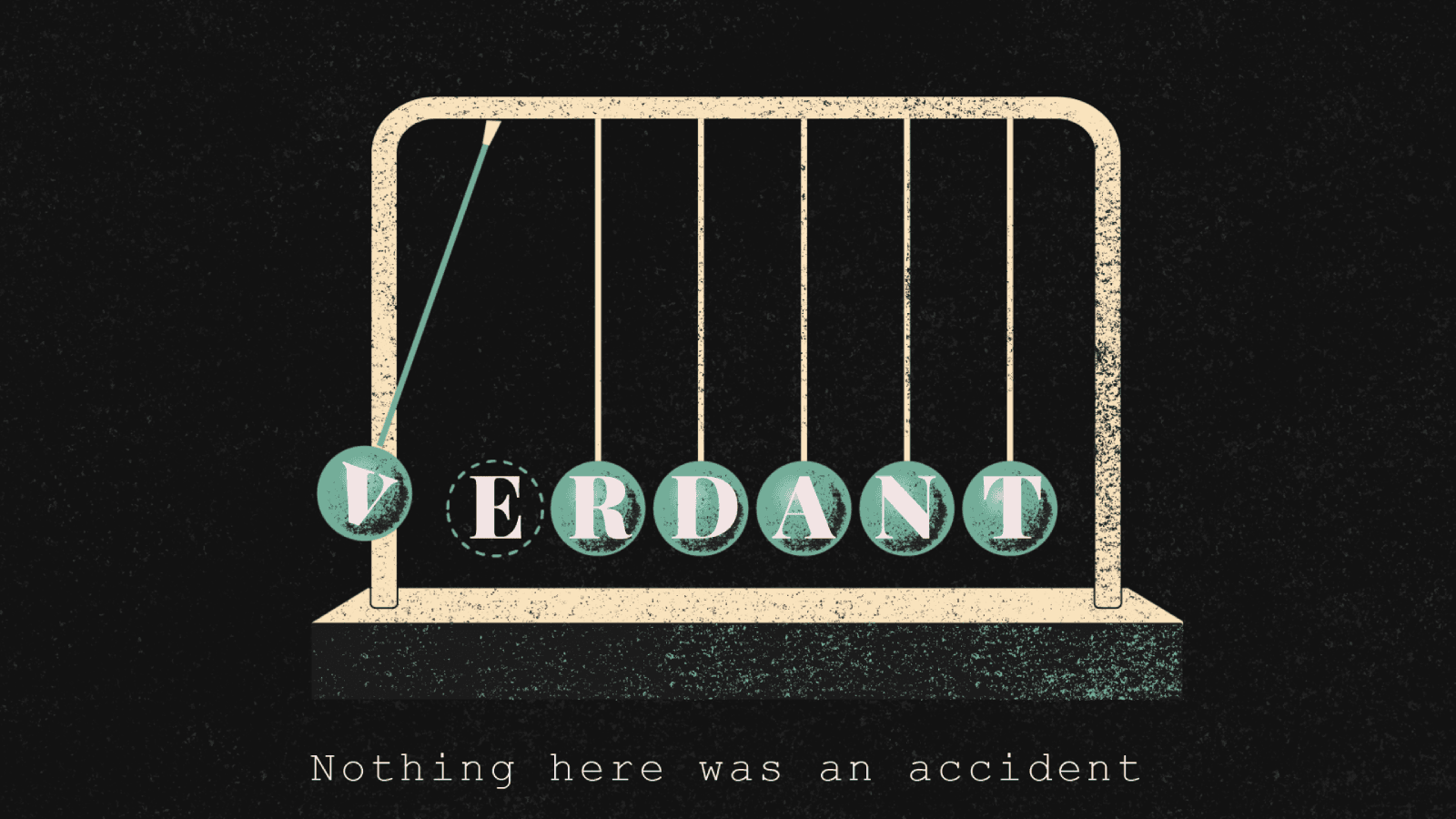
Start with Verdant: a company that cleans your house, runs your child's classroom app and installs your baby monitor. Nothing it does is ever dramatic. That's the problem.
Every Disclosure is written by a person, and they're free to read.
If you like ARGs, you may also like analog horror.