What is analog horror? Origins, examples and stories to read
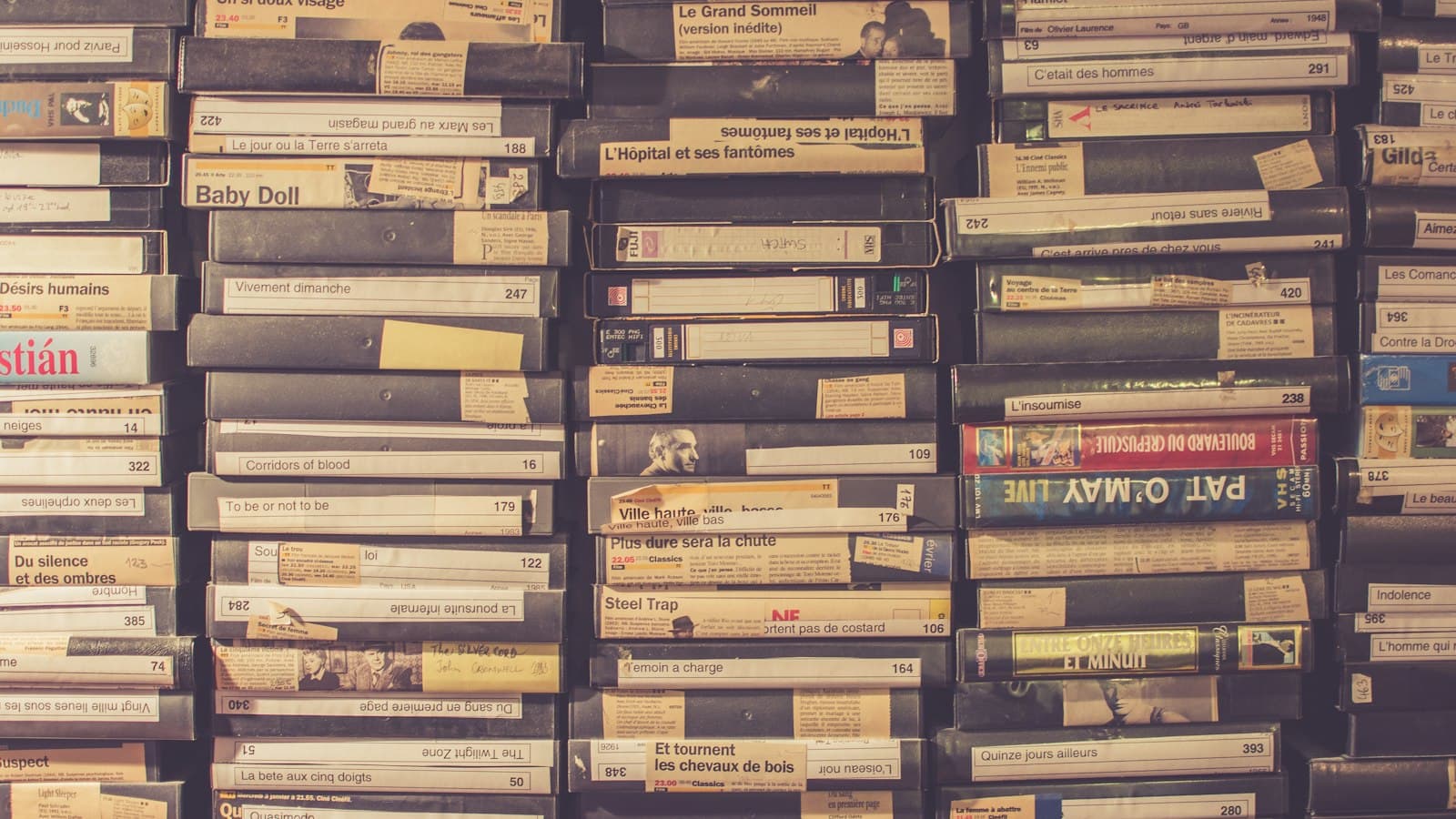
Analog horror is horror made to look like old media: VHS tapes, emergency broadcasts, public information films, training videos. It usually lives on YouTube, it's normally short, and it often presents itself as recovered or authentic footage. It's the same trick The Blair Witch Project pulled in 1999. The more real the footage looks, the harder it is to shake off.
If what you love is piecing a story together from fragments, analog horror also has an older cousin on the page, which we come to below.
Where did analog horror come from?
Local 58, Kris Straub's series of hijacked TV broadcasts launched in 2015, helped define and popularise the style. Each episode plays like a broadcast from a small local station that something else has taken over, such as an emergency alert telling viewers not to look at the night sky. Before that, Marble Hornets (2009) had already turned found footage into a YouTube serial, building the Slender Man legend one video at a time.
Gemini Home Entertainment, The Mandela Catalogue and The Walten Files each built big audiences after that. The Mandela Catalogue, set in a fictional Wisconsin county, centres on "alternates", beings that imitate people you know, told through public service announcements and home recordings. Then Kane Parsons' Backrooms series became an A24 feature film, directed by Parsons himself. Released in May 2026, it gave A24 its biggest opening weekend ever.
What makes something analog horror?
There's no strict rulebook, but most series share a few characteristics:
- It presents itself as real. Analog horror often passes itself off as recovered or authentic media, with little to say it's fiction.
- It borrows familiar older formats. Weather warnings, safety instructions, children's TV, home video. Tape hiss, tracking lines and dated graphics do a lot of the work. Anyone who's worked in TV knows how much authority a broadcast format carries. A station ident or an emergency alert feels official before anyone has said a word.
- The story is in the gaps. Each video is a fragment. The audience pieces the rest together, often in the comments.
- Rules. Many series hand the viewer instructions: don't look outside, don't answer the door.
Is analog horror the same as found footage?
They overlap, but they describe different things. Found footage is about how the material is presented: we're watching recordings someone supposedly made and left behind. Analog horror is about the medium, the look and sound of older formats like VHS and broadcast TV. Plenty of series are both.
Can you read analog horror?
Analog horror is primarily associated with video and audio. But if what you love is the fragments, the official-sounding records and the clues hidden between them, found-document horror gives you a similar experience on the page. Stories told this way are known as epistolary fiction, and our guide to epistolary novels explains the form.
Alternate reality games use the same trick with websites and emails – see what is an ARG?
Stories to read if you like analog horror
SCP Foundation. Online, free. A collaborative collection of containment files, incident reports and interview logs, with roots in 2007. The closest thing to analog horror in text: clinical language, redacted details and a sense that someone is hiding something. Start with SCP-173, the entry that started it all.
House of Leaves, Mark Z. Danielewski (2000). Novel. An academic study of a documentary that may not exist, annotated by a man who is slowly unravelling. As in analog horror, the record itself is what's wrong, and the pages break down as you read. Best read in print, from the start.
Dracula, Bram Stoker (1897). Novel, free online at Project Gutenberg. Journals, letters, newspaper cuttings and a ship's log, assembled into evidence. If you want to see why it still works, read the captain's log of the Demeter in chapter 7.
The Chair, on Fictra. Online, free. A village Facebook post about a chair that keeps appearing outside number 6, followed by text messages, a voice message left in the middle of the night, an 1896 parish notebook, a 999 call transcript and a police attendance note. Modern records rather than tapes, but the same pleasure of piecing together what was left behind. Start with the first document.
The Chair is part of The Old Ways, a folk horror world on Fictra. Its tagline would sit happily in an analog horror series: there are old ways of doing things here. You don't have to understand them. You just have to follow them.
For more stories pieced together from records, see our list of found-document mysteries you can read online.
Analog horror FAQs
Do I have to watch analog horror on YouTube?
Most analog horror is video, so YouTube is where you'll find it. If you'd rather read, found-document horror like the stories above gives a similar experience.
What helped popularise analog horror?
Local 58 (2015) is widely credited with defining the style. The Mandela Catalogue and Backrooms later brought it to much bigger audiences.
Are these stories free?
SCP Foundation, Dracula and The Chair are all free to read online. House of Leaves is a paid book.
How is analog horror different from horror told through modern formats?
Analog horror imitates older media like VHS and broadcast TV. Stories built from texts, emails and social media posts use the same evidence-led approach with today's records. For more of those, see our guide to epistolary horror.