What is folk horror? And what should you read first?
There's something particularly unsettling about a village where everyone knows the rules except you.
Perhaps there's a chair nobody is allowed to move, or a path through the woods that nobody uses after dark. Maybe there's an annual celebration that seems perfectly innocent until you ask what it's actually for.
Folk horror is a subgenre of horror film and fiction that draws on regional folklore, superstition and isolated rural communities to create a sense of dread. Its stories often revolve around ancient customs, strange beliefs and the consequences of breaking rules that outsiders don't understand.
Unlike conventional horror, the threat isn't necessarily a monster lurking in the shadows. Sometimes it's the people living next door, quietly insisting that things have always been done a certain way.
Where did folk horror come from?
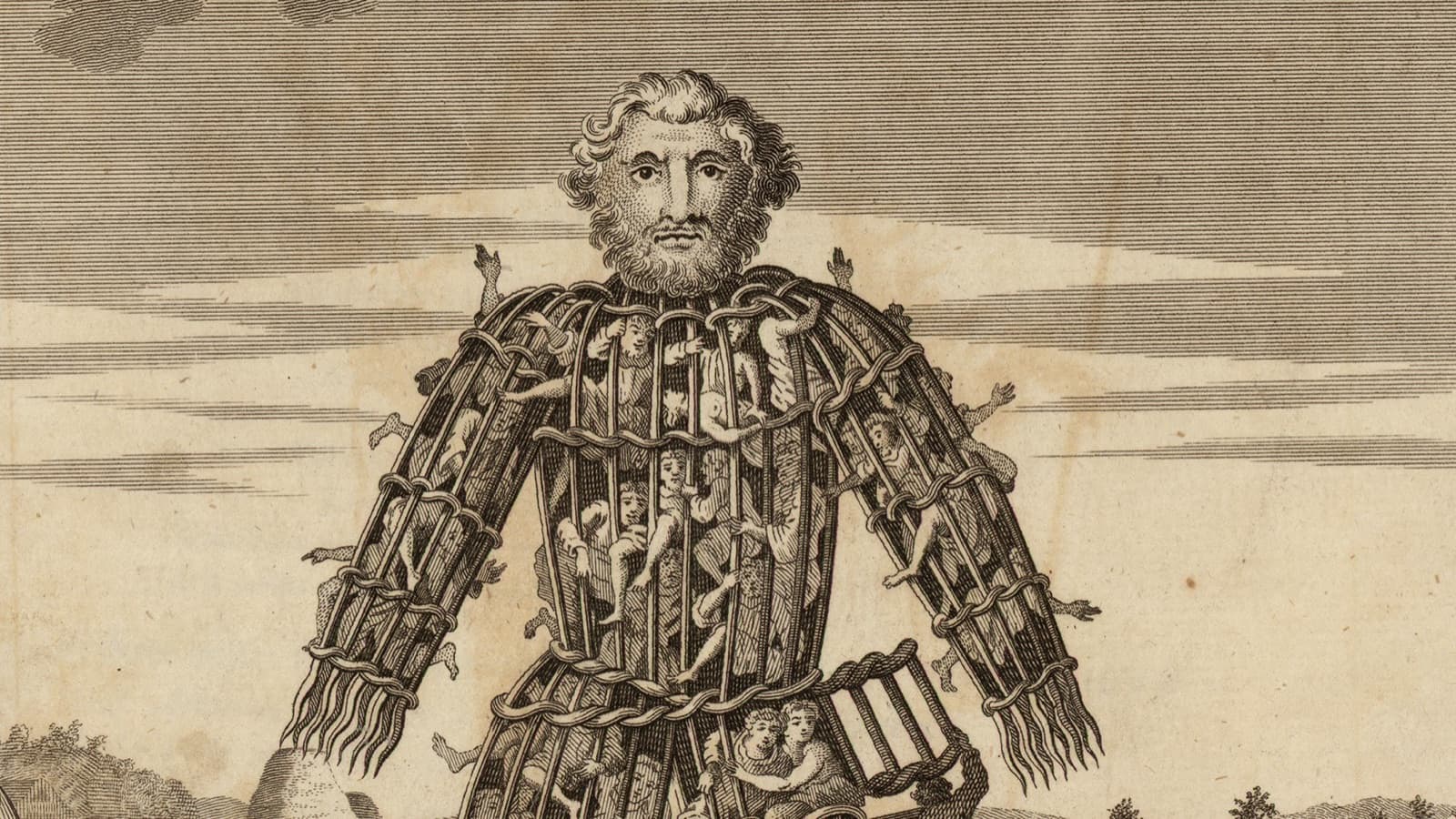
Folk horror is closely associated with three British films made between 1968 and 1973: Witchfinder General, The Blood on Satan's Claw and The Wicker Man.
They're often called the genre's unholy trinity, although the stories and traditions that inspired them go back much further.
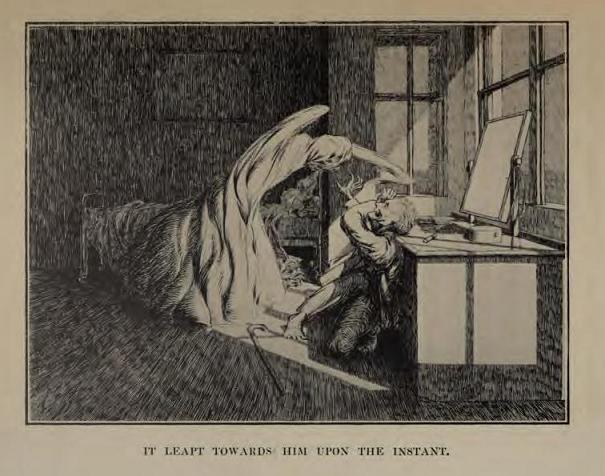
M.R. James was writing about ancient places and things best left undisturbed at the beginning of the twentieth century. His ghost stories often involve perfectly ordinary people, usually academics or antiquarians, who encounter something they really shouldn't have gone looking for.
The term folk horror became more widely recognised after Mark Gatiss discussed it in his 2010 BBC documentary series A History of Horror. Director Piers Haggard had previously used the phrase to describe The Blood on Satan's Claw in an interview with Fangoria.
Writer and critic Adam Scovell later identified what he called the folk horror chain, a way of understanding what connects otherwise quite different stories. It begins with a landscape that isolates people from the wider world. That isolation allows unusual beliefs and moral codes to take hold, eventually leading to some kind of terrible event.
It's a useful framework, although the boundaries of the genre are open to debate. The academic journal Revenant has explored Scovell's theory in more detail.
And there's no requirement for the supernatural to be involved. Human beings and their convictions can be quite frightening enough.
Why does folk horror work so well?
One reason might be that it makes familiar places feel subtly wrong. A village fete or a quiet churchyard can become uncomfortable when you realise there's something about the place you haven't been told.
There's often an outsider arriving somewhere and gradually discovering that the locals know far more than they're willing to explain. The traditions themselves might initially seem harmless, even charming. It's only later that their purpose becomes clear.
Films such as The Witch (2015), Midsommar (2019) and Enys Men (2022) have helped bring folk horror to new audiences. They're quite different films, but all explore the relationship between people, place and belief.
Folk horror isn't exclusively British either. Different countries have their own folklore and traditions, and plenty of scope for making them frightening.
Some folk horror books and stories worth reading
The Lottery — Shirley Jackson (1948)
A short story rather than a novel, and one of the most disturbing examples of the genre. A small American town gathers for its annual lottery, something the residents have apparently been doing for generations.
If you've never read it, don't look up the ending. It's much better encountered without warning.
Harvest Home — Thomas Tryon (1973)
A family leaves New York for a quiet farming community in New England. The locals seem welcoming enough, although they're unusually attached to their harvest traditions.
Published the same year The Wicker Man was released, it explores similar anxieties about outsiders, rural communities and the things people will do to preserve an old way of life.
The Loney — Andrew Michael Hurley (2014)
A family makes an Easter pilgrimage to a bleak stretch of the Lancashire coast, where the landscape seems to exert an influence over everyone who lives there.
Hurley takes his time revealing what's going on. Much of the unease comes from the hostility of the surrounding community and the feeling that the visitors have wandered into something they don't understand.
Starve Acre — Andrew Michael Hurley (2019)
Another Hurley novel, this time set around a grieving couple living in a Yorkshire farmhouse. The husband becomes obsessed with digging in a field where an old tree once stood.
It was adapted into a film starring Matt Smith.
Wakenhyrst — Michelle Paver (2019)
Set in the Suffolk fens in the early twentieth century, this follows a girl who begins reading her father's private journals and discovers the extent of his increasingly disturbing obsessions.
It's also an interesting example of storytelling through personal documents, something we particularly like at Fictra.
The Ritual — Adam Nevill (2011)
Four old friends go hiking in Sweden and decide to take a shortcut through a forest. They soon realise they're not alone, and the tensions between them make a bad situation considerably worse.
It was later adapted into a Netflix film.
Folk horror FAQs
What is the difference between folk horror and other horror?
Folk horror draws much of its fear from folklore, landscape, old beliefs and the communities that preserve them. Other types of horror might focus more directly on supernatural creatures, violence or psychological threats. There's plenty of overlap, though.
Is The Wicker Man folk horror?
Yes. The original 1973 film is one of the best-known examples, and one of the three British films commonly associated with establishing the genre.
Does folk horror have to be set in the countryside?
No, although rural and isolated settings are particularly common. What's important is often the relationship between a place, its history and the people who live there.
Is folk horror always supernatural?
Not at all. Some stories involve ghosts, pagan gods or ancient powers, while others are frightening because of what ordinary people believe and are prepared to do.
Is folk horror always British?
No. Midsommar is set in Sweden, while Harvest Home and The Lottery explore communities in America. Folklore and local traditions exist everywhere.
Where can you read folk horror for free?
M.R. James's ghost stories are in the public domain and available free on Project Gutenberg. Ghost Stories of an Antiquary (1904) is a good place to begin, particularly if you enjoy older ghost stories involving academics, churches and historical curiosities.
We've also been developing our own folk horror world on Fictra called The Old Ways.
The premise is simple enough. There are villages where certain customs still have to be followed, although nobody is particularly interested in explaining why. Each story takes place in a different village, with writers contributing their own ideas to the wider world.
What's unusual is how the stories are told. Rather than conventional chapters, everything unfolds through documents such as Facebook posts, text messages, police reports, voice recordings and old parish records.
In The Chair, a woman named Maya notices that someone keeps putting a chair outside number 6 in the village of Wenlow. She's told it's an old custom: when somebody has died in a house that year, a chair is left outside. Maya decides to move it, and the consequences emerge through a series of documents, including an entry in an 1896 parish notebook.
The Old Ways is free to read, along with everything in Fictra's folk horror collection. All fiction on the platform is written by people rather than generative AI, and writers can contribute their own stories to its shared worlds.
If you enjoy stories told through documents, you might also like our guide to epistolary horror, which explores fiction told through letters, messages, journals and other fragments.